How to Make Coloring Fun for Toddlers and Preschoolers
By Eric S Jaffe · Updated November 15, 2026 · 6 min read
To make coloring fun for toddlers and preschoolers, use chunky crayons, choose big simple pictures of things they love, keep sessions short, color alongside them, and display their finished art. Skip the pressure to stay inside the lines and focus on enjoying colors together. When a child starts asking for more of a challenge, try tracing, dot-to-dot, mazes and color-by-number pages.
What supplies work best for toddlers and preschoolers?
The right tools make a big difference for small hands. Thicker supplies are easier to grip and harder to snap.
- Chunky or egg-shaped crayons that fit in a small fist
- Washable markers with thick tips for bright, easy color
- Triangular crayons or pencils, which some children find easier to hold
- A small set of colors to start, so choosing is not overwhelming
- Coloring pages with big bold outlines and large open spaces
- A washable mat or old tablecloth to make cleanup easy
How long should a toddler coloring session last?
Short is fine. Many toddlers color for just a few minutes before moving on, and preschoolers may stay longer when they love the picture. Stop while it is still fun rather than pushing to finish a page.
Leaving supplies and a few pages within reach lets children come back on their own. A coloring basket by the kitchen table or in the car often gets more use than a planned activity.
Timing matters too. Coloring tends to go best when a child is fed and rested, and it can be a calm activity before a nap, while dinner is cooking or after a busy outing. If a child is tired or frustrated, it is fine to put the crayons away and try again another day.
How can you make coloring more fun and engaging?
A little interaction turns coloring into play. Try a few of these ideas:
- Color together: sit down with your own page, children love doing what grown-ups do
- Name the colors: "You picked blue! What else is blue?" builds color words naturally
- Tell a story: ask what the dinosaur is doing or where the truck is going
- Let them pick: offering two pages to choose from gives a sense of control
- Follow their interests: a child who loves puppies will color a puppy longer than a random scene
- Count together: count the spots on a ladybug or the wheels on a train
- Celebrate the scribbles: praise effort and color choices, not neatness
Why should you display your child's coloring?
Hanging up finished art tells a child their work is worth sharing. A fridge gallery, a string with clothespins along a wall, or a frame that you swap each week all work well.
Single-sided pages make this easy, since you can cut out or hang a page without losing a picture printed on the back. You can also mail a colored page to a grandparent, which children often find very exciting.
Ask your child to tell you about the picture before you hang it, and write a few of their words on the back or along the bottom. Years later, those little captions are often the part families treasure most.
Should toddlers color inside the lines?
Not yet. Scribbling outside the lines is a normal part of learning, and young children are mostly exploring color and movement. Big bold outlines give them a gentle target without making it a rule.
Over time, many children start to slow down and follow the edges on their own. You can encourage this by pointing out shapes, such as "Can you color the whole circle?", without correcting their work.
When should kids move on to tracing, dot-to-dot, mazes and color-by-number?
Every child moves at their own pace, so watch for signs of readiness rather than a specific birthday. A child who holds a crayon with more control, stays near the lines more often, or asks for something harder may be ready for a new kind of page.
A rough order that works for many families:
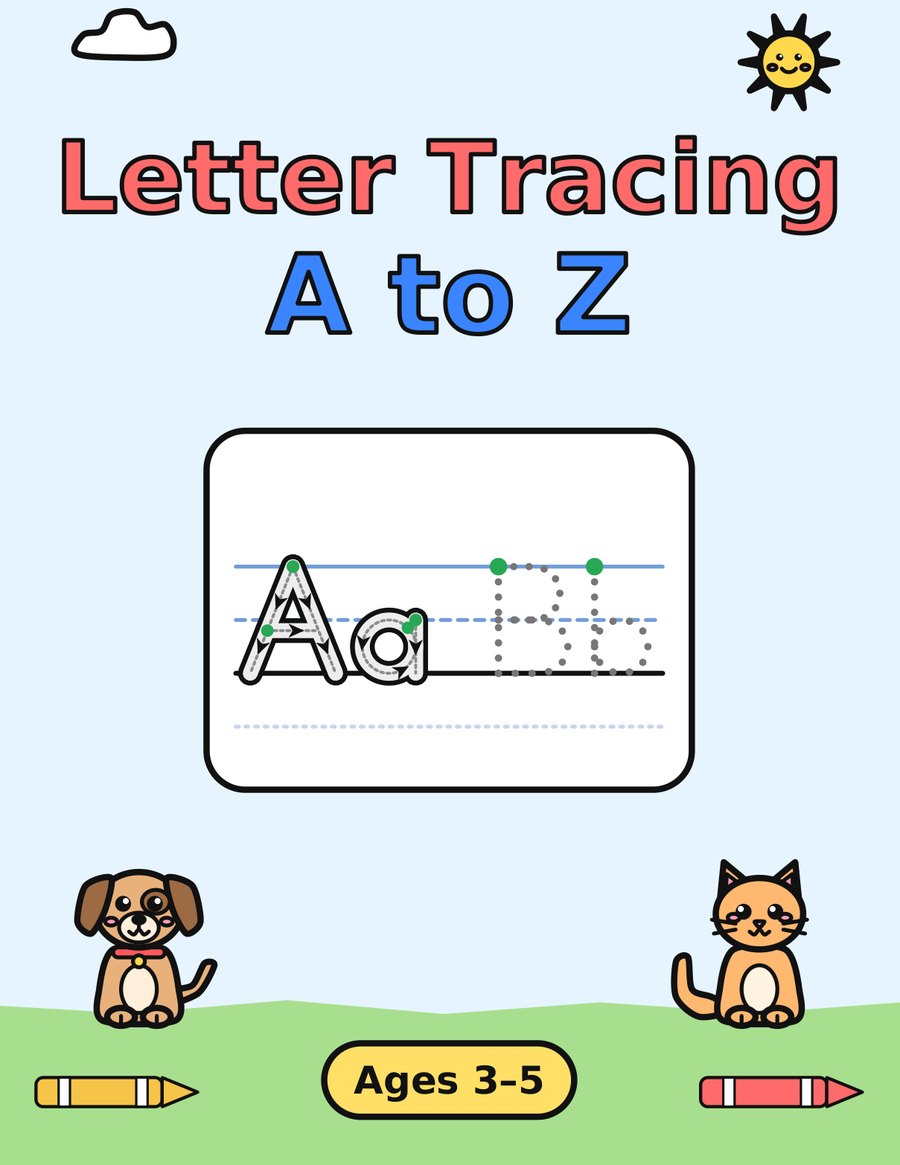
- Tracing (often around 3 to 5): big dashed lines, then letters and numbers
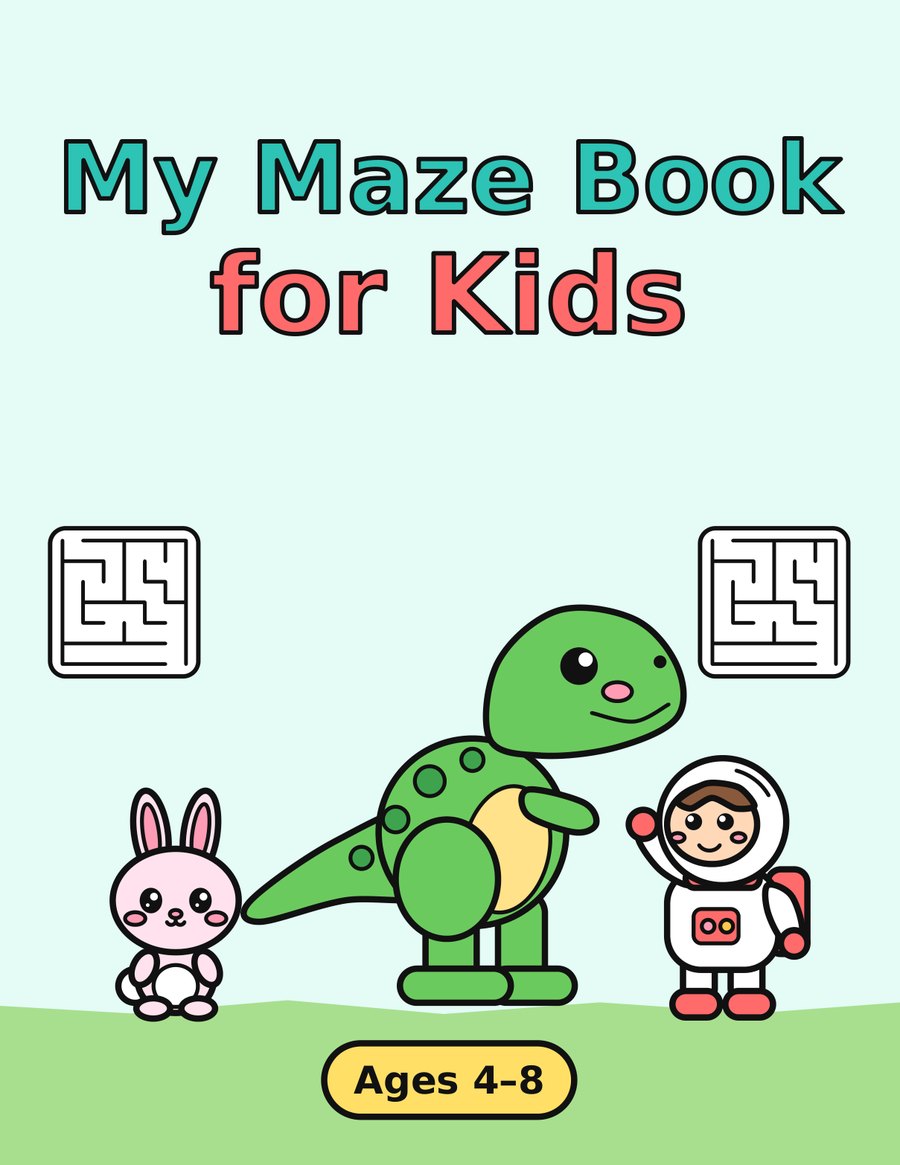
- Mazes (often around 4 and up): start with wide, short paths and very few turns
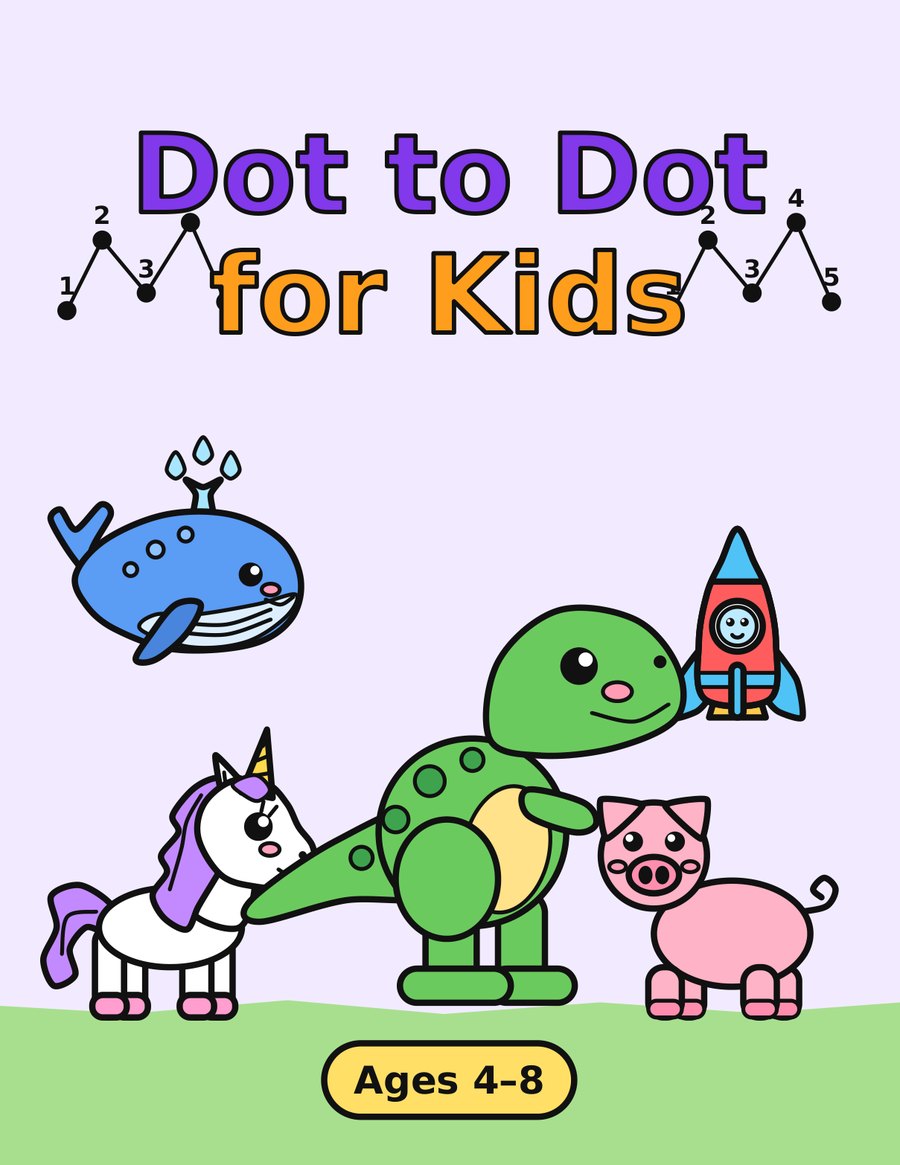
- Dot-to-dot (often around 4 and up): begin with 1 to 10 and work up to larger numbers
- Color-by-number (often around 5 and up): simple keys with a few colors and large areas
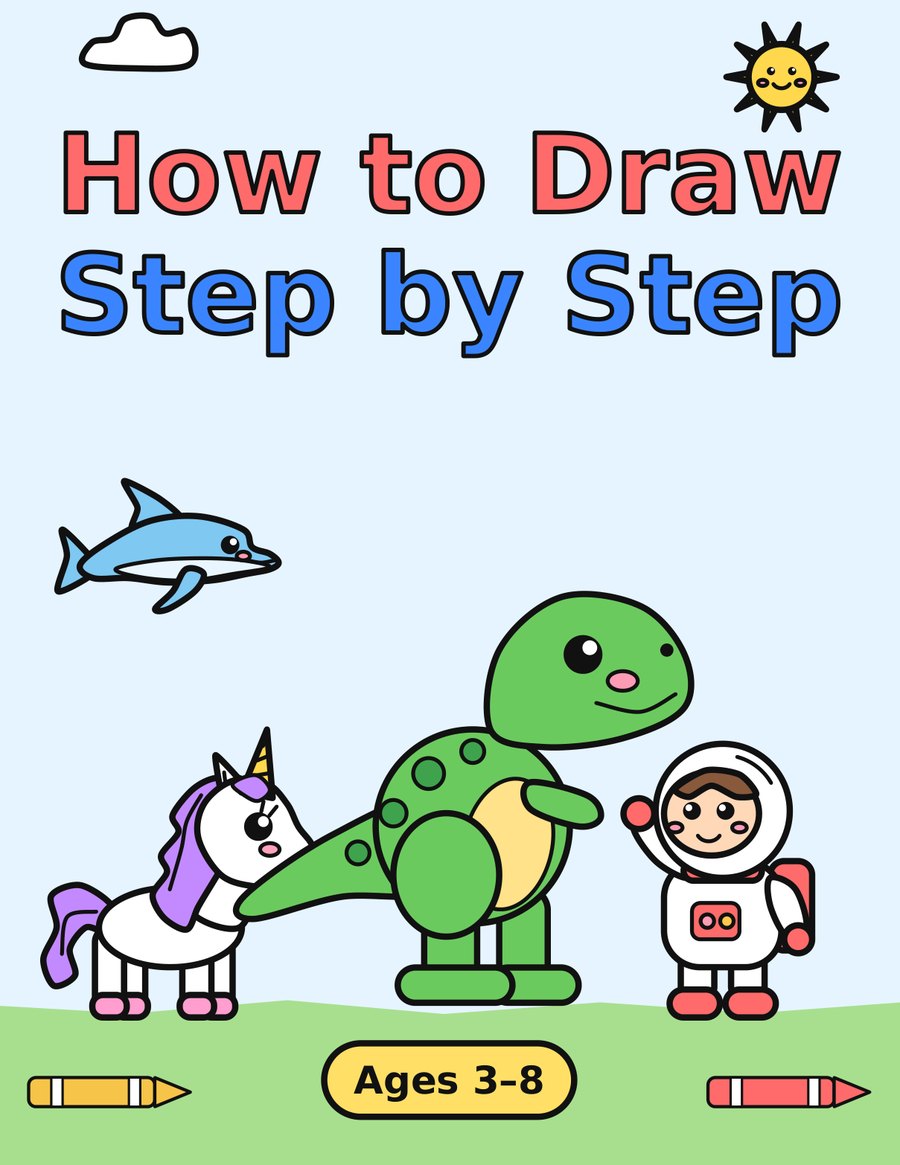
- How-to-draw (any age with interest): step-by-step shapes that build into a picture
Frequently asked questions
- At what age can a child start coloring?
- Many children start making marks with chunky crayons as toddlers, with close supervision. Big, simple pictures with bold outlines are easiest at the start.
- What is the best crayon for a toddler?
- Chunky, egg-shaped or triangular crayons are easiest for small hands to grip and are harder to break. Washable, non-toxic options make cleanup simpler.
- My child only scribbles. Is that okay?
- Yes. Scribbling is a normal stage, and the goal at this age is exploring color and having fun. Coloring together and naming colors can keep it enjoyable.
- How can I try your coloring pages for free?
- Download our free sampler, which has 10 printable pages with big, bold outlines. It is an easy way to see whether the style suits your child before buying a full book.
More guides
Was this guide helpful?