Best Coloring Books for 3-Year-Olds (and What to Look For)
By Eric S Jaffe · Updated November 15, 2026 · 6 min read
The best coloring books for 3-year-olds have thick, bold outlines, one large picture per page, very little background detail, and familiar subjects like animals, trucks and dinosaurs. Single-sided pages are a big plus, because markers will not bleed through onto the next picture. As children reach 4 to 5 and then 6 to 8, they can handle thinner lines, more detail and activity pages like mazes and dot-to-dots.
What should you look for in a coloring book for a 3-year-old?
Three-year-olds are still learning to hold a crayon with control, so they color in big sweeps rather than careful strokes. A good book for this age gives them big shapes that are easy to fill and easy to recognize, so they can say "that's a cow!" and feel finished after a few minutes.
Look for these features when you flip through a book or a preview:
- Thick, bold outlines that act like a gentle wall for the crayon
- One main picture per page, drawn large, with plenty of open space
- Little or no background clutter such as tiny grass, bricks or patterns
- Familiar, friendly subjects: animals, vehicles, food, simple shapes
- Single-sided pages, so markers do not bleed through and finished pages can be cut out
- Paper sturdy enough for heavy-handed coloring
How do coloring books change for ages 4-5?
Around four and five, many children start staying closer to the lines and enjoy choosing "real" colors for things. They can handle slightly more detail, such as a dinosaur with spots, a fire truck with a ladder, or a simple scene with a sun and a tree.
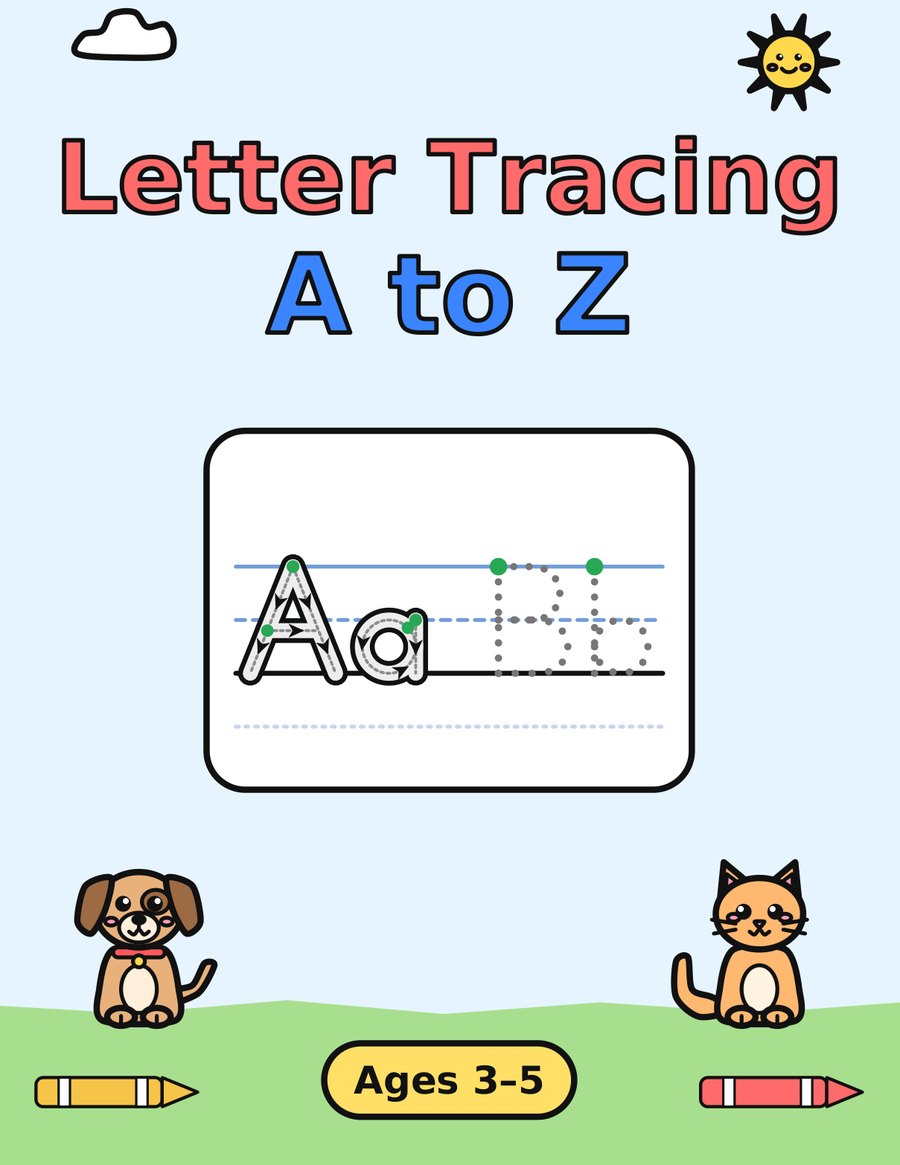
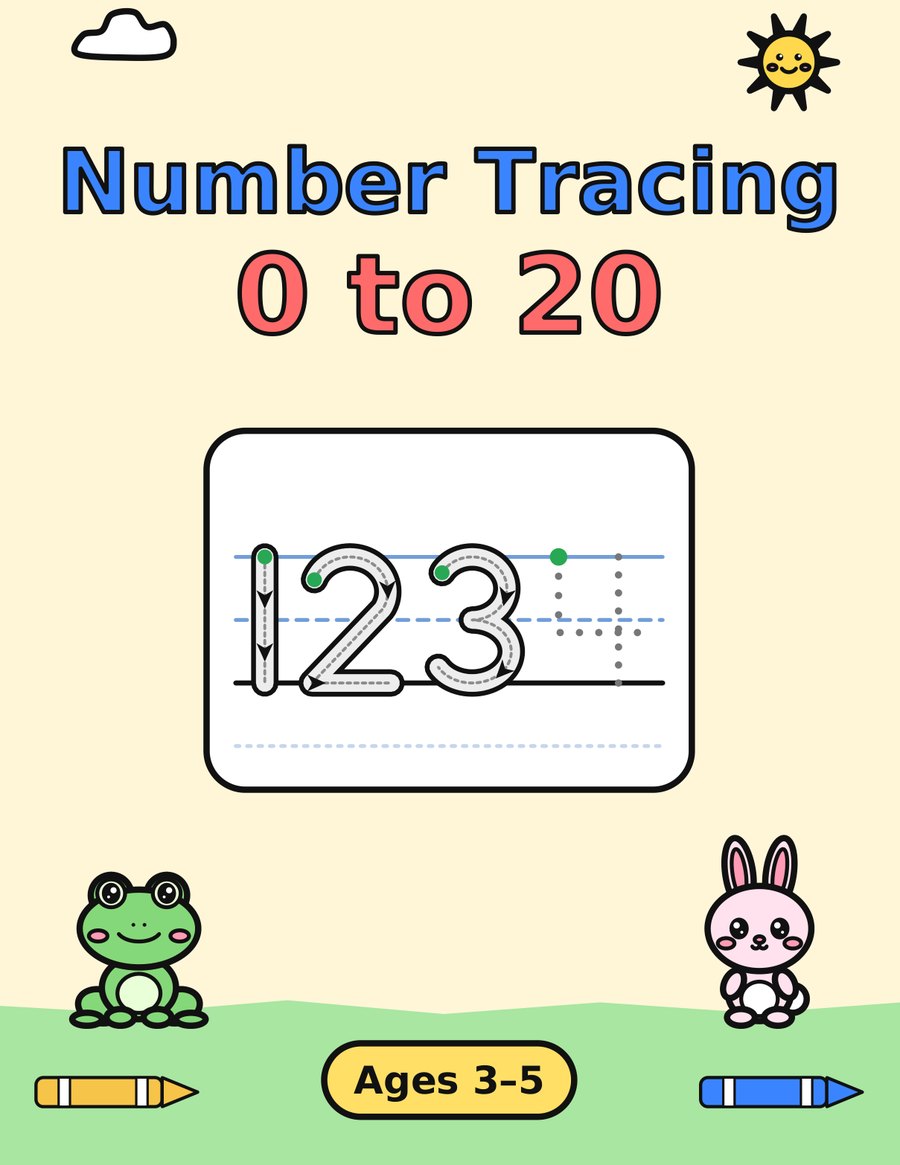
This is also a good age to mix in early learning. Pages that pair a picture with a letter or a number, such as "B is for bear" or "count 5 ladybugs", let coloring double as practice. Tracing pages for letters and numbers fit well here too, as long as the lines are large and the pace stays relaxed.
- Medium outlines with a few more details inside each picture
- ABC and counting pages that connect pictures with letters and numbers
- Simple tracing of large letters, numbers and lines
- Themes tied to a child's current obsession, which keeps them coming back
What works best for ages 6-8?
By six to eight, most children want a bit of challenge. They may still love big bold pictures, especially for relaxing, but they also enjoy activities with a goal: finishing a maze, connecting numbered dots to reveal a picture, or following a color key.
Older children also like subjects with a story or real facts behind them, such as space exploration, sports or real people from history. A short fact on the page gives them something to read and talk about while they color.
- More detailed pictures and small areas for careful coloring
- Color-by-number pages that practice number recognition and following a key
- Dot-to-dots and mazes that move from easy to harder
- How-to-draw pages that build confidence with step-by-step shapes
How many pages should a coloring book for toddlers and preschoolers have?
There is no single right number, but more pages usually means more value, because young children often color a page for only a few minutes and move on. A book with 100 pages lasts through many short sessions and gives a child plenty of choice.
A printable PDF changes the math. If a favorite page gets scribbled through in two minutes, you can simply print it again. That makes printables a good fit for this age, when the same truck or kitty might be requested ten times in a row.
Which themes do 3-year-olds love most?
Every child is different, so the best theme is usually whatever your child already talks about. Common favorites at this age include:
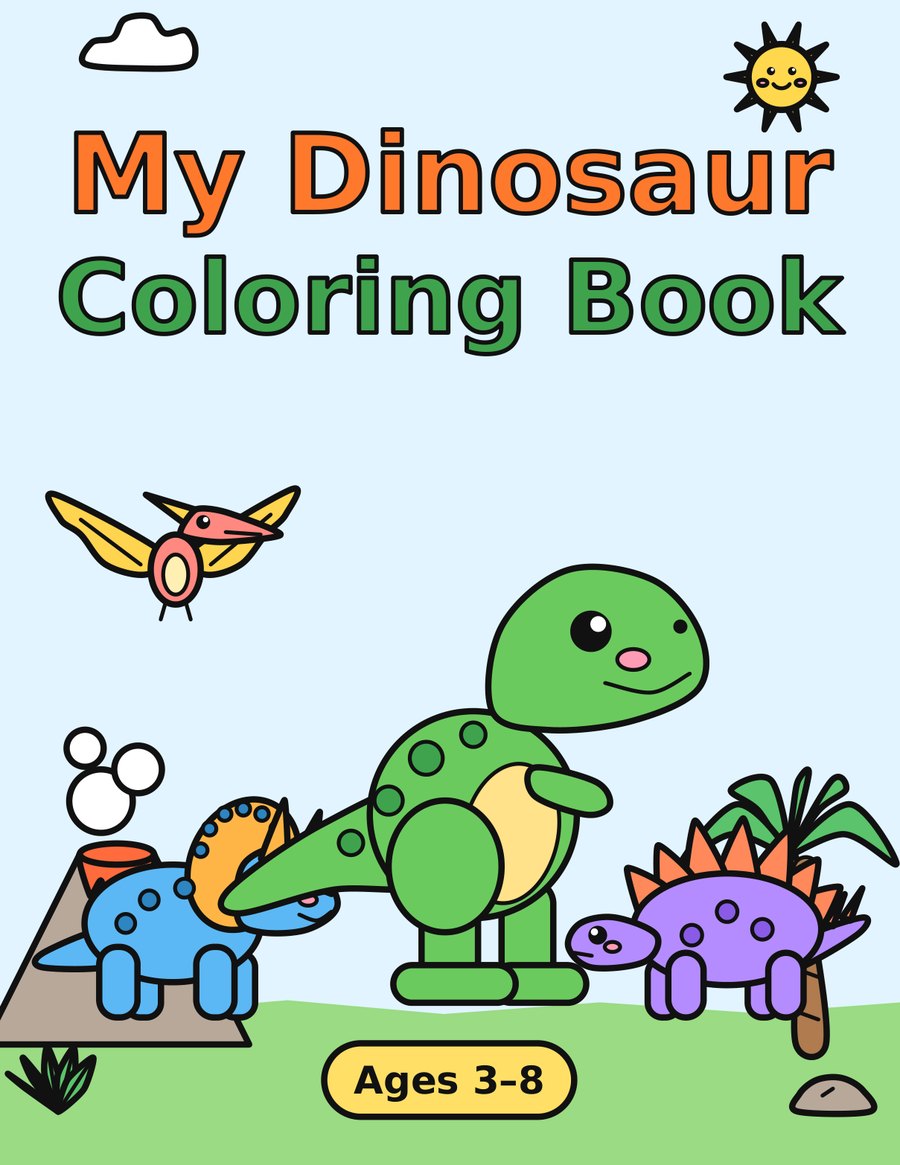
- Dinosaurs, especially big recognizable ones like T-Rex and Triceratops
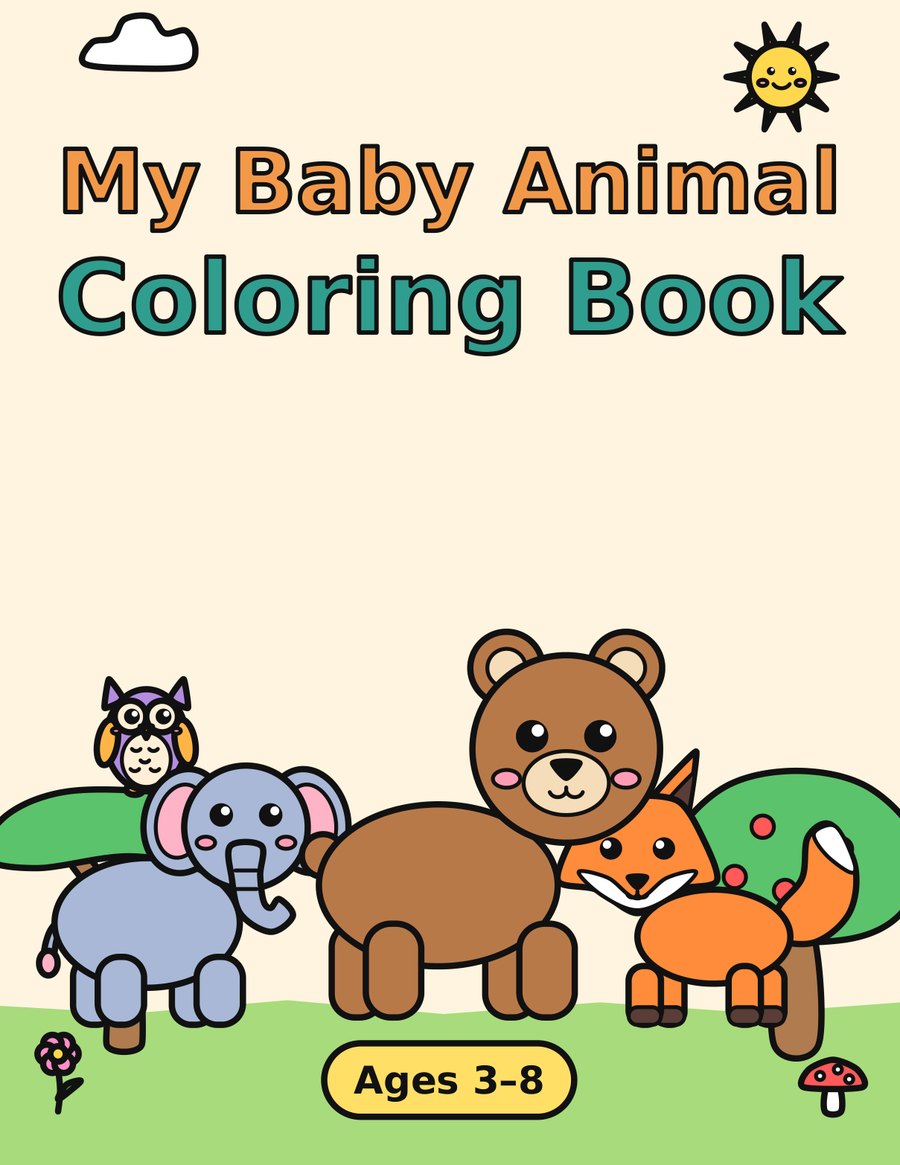
- Baby animals, farm animals, pets and sea creatures
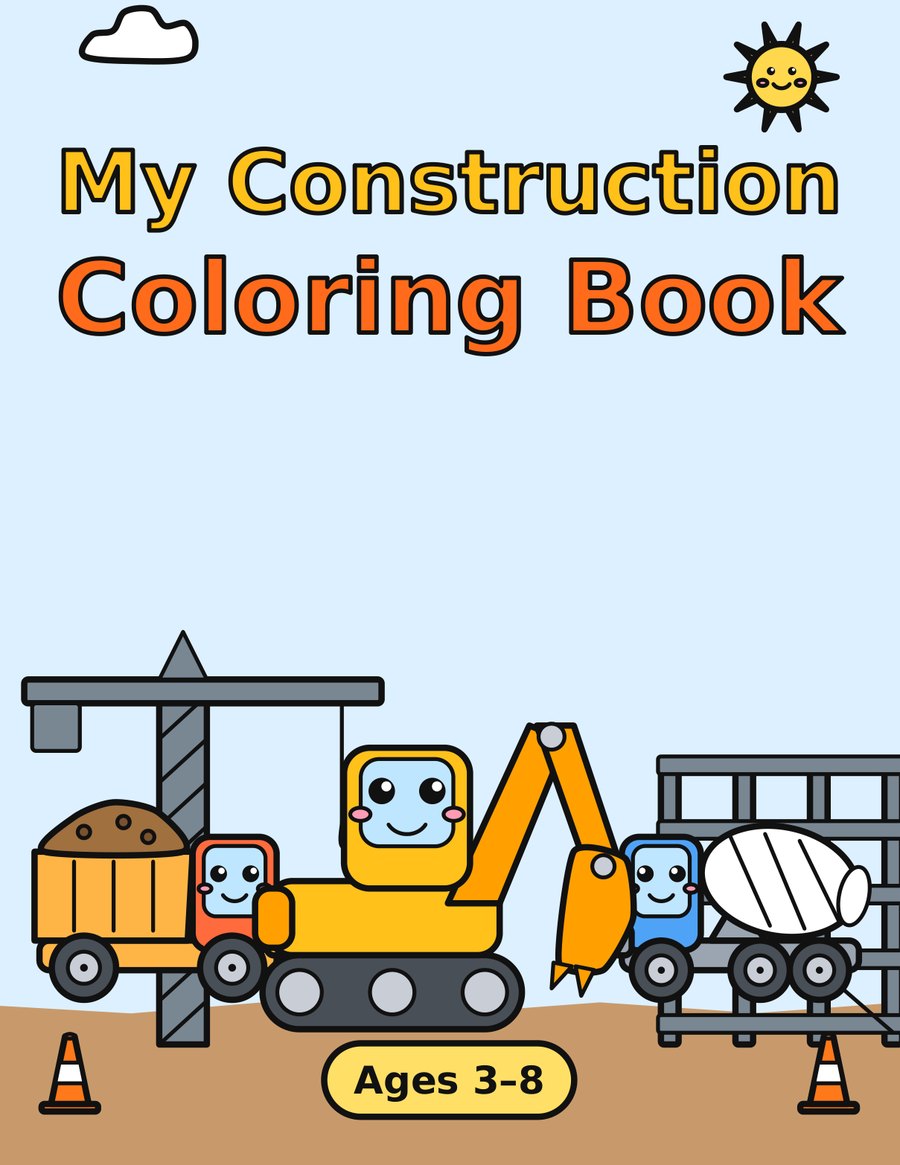
- Diggers, dump trucks, trains, cars and rockets
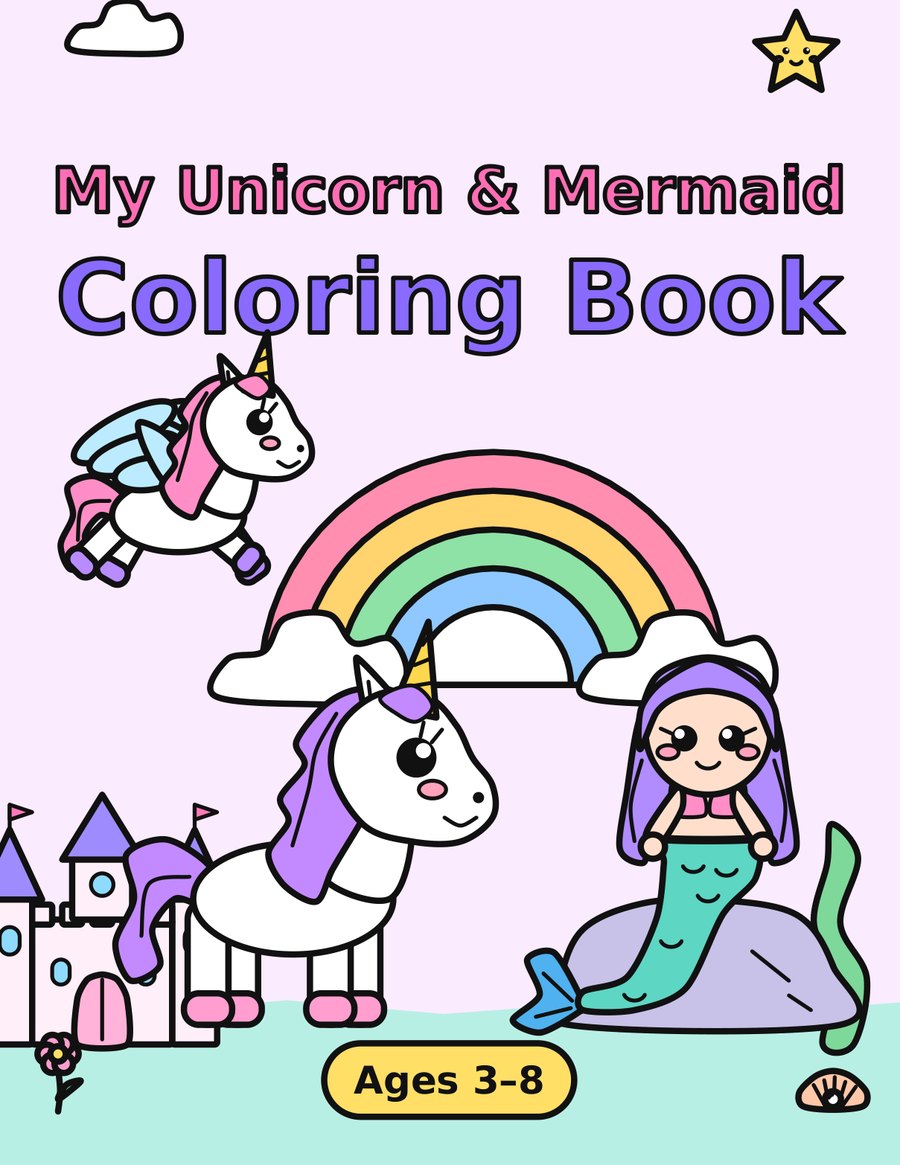
- Unicorns, mermaids and princesses
- Cute food with happy faces, like cupcakes and fruit
Our recommendations for 3-year-olds
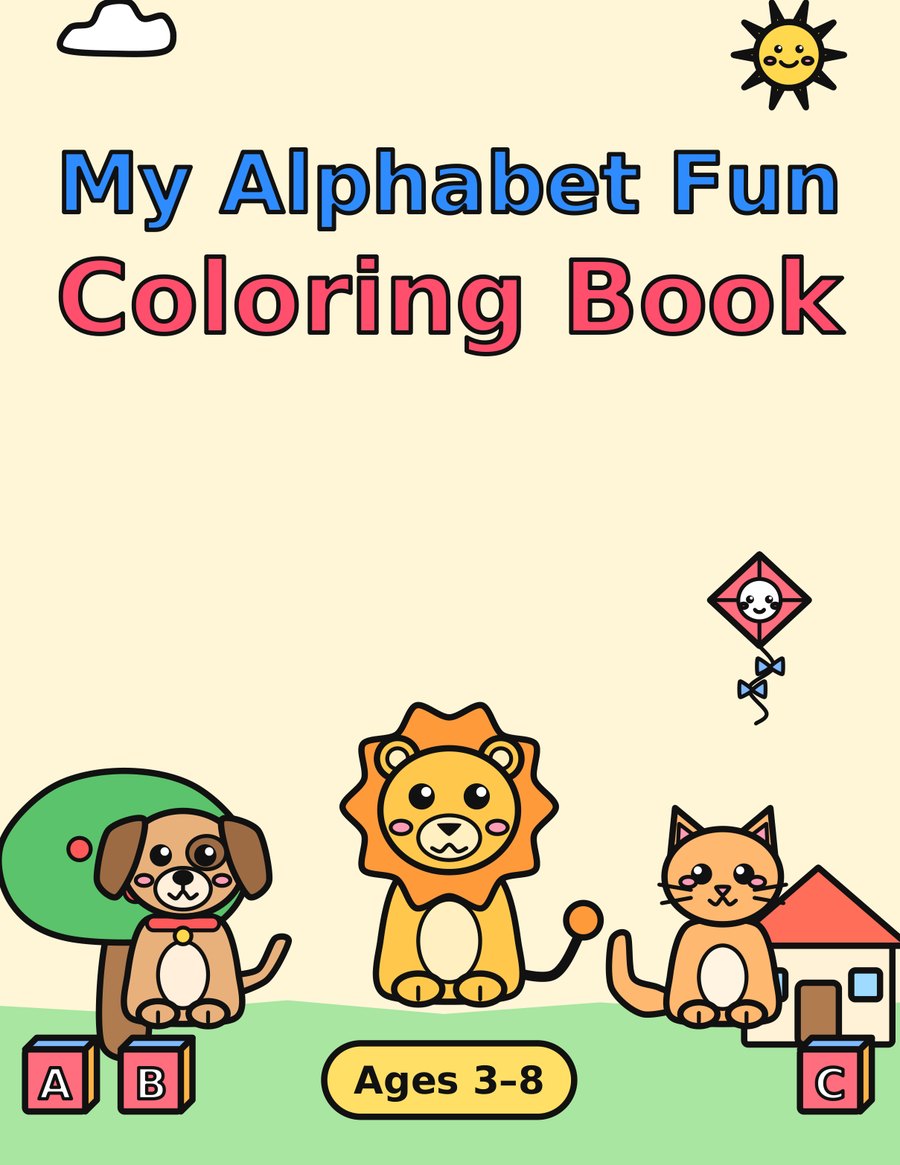
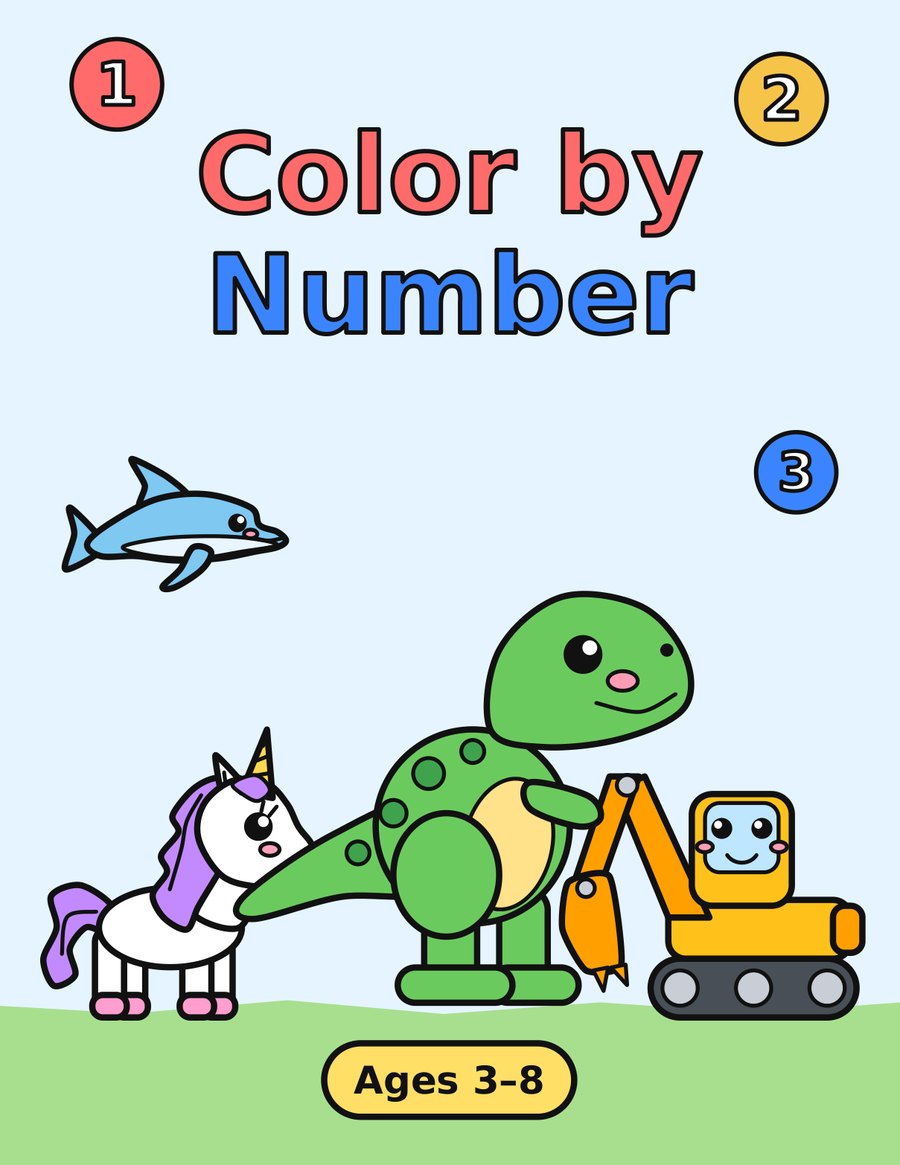
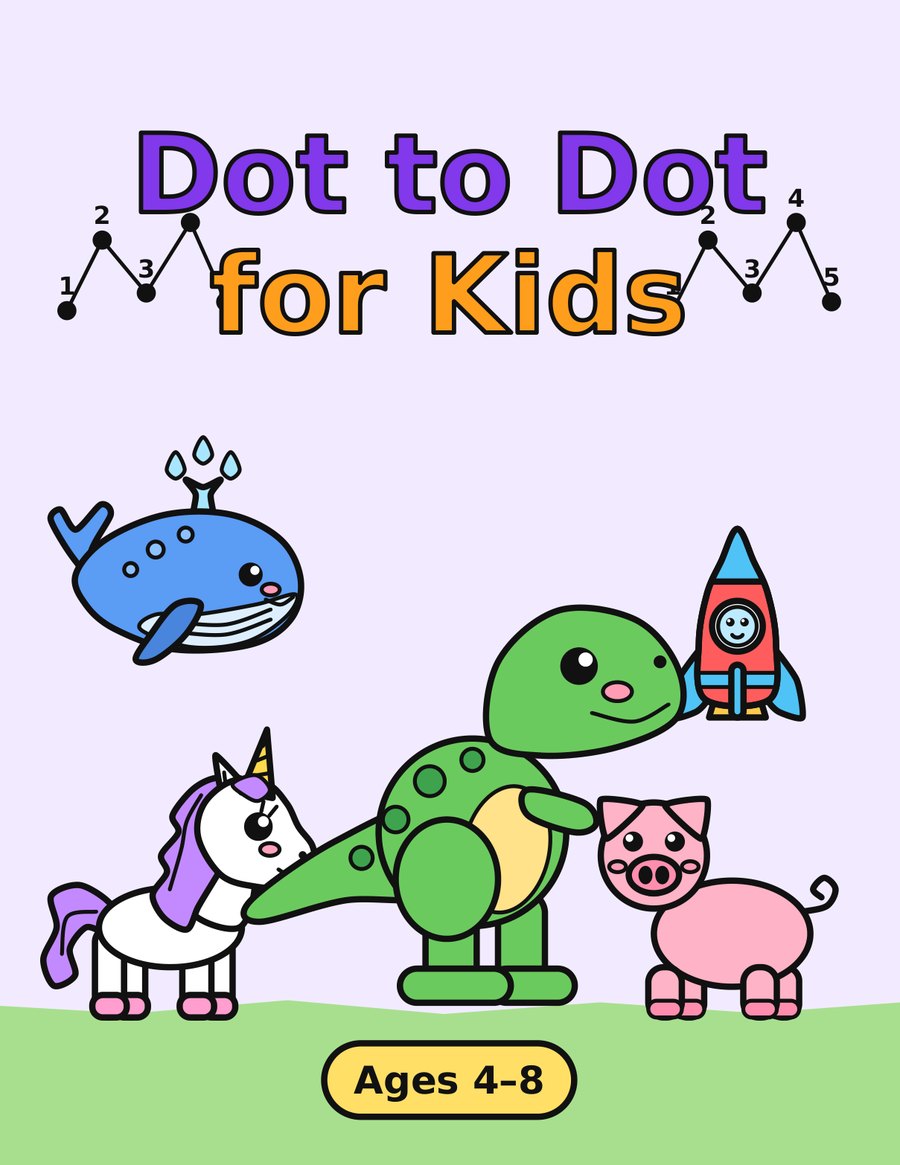
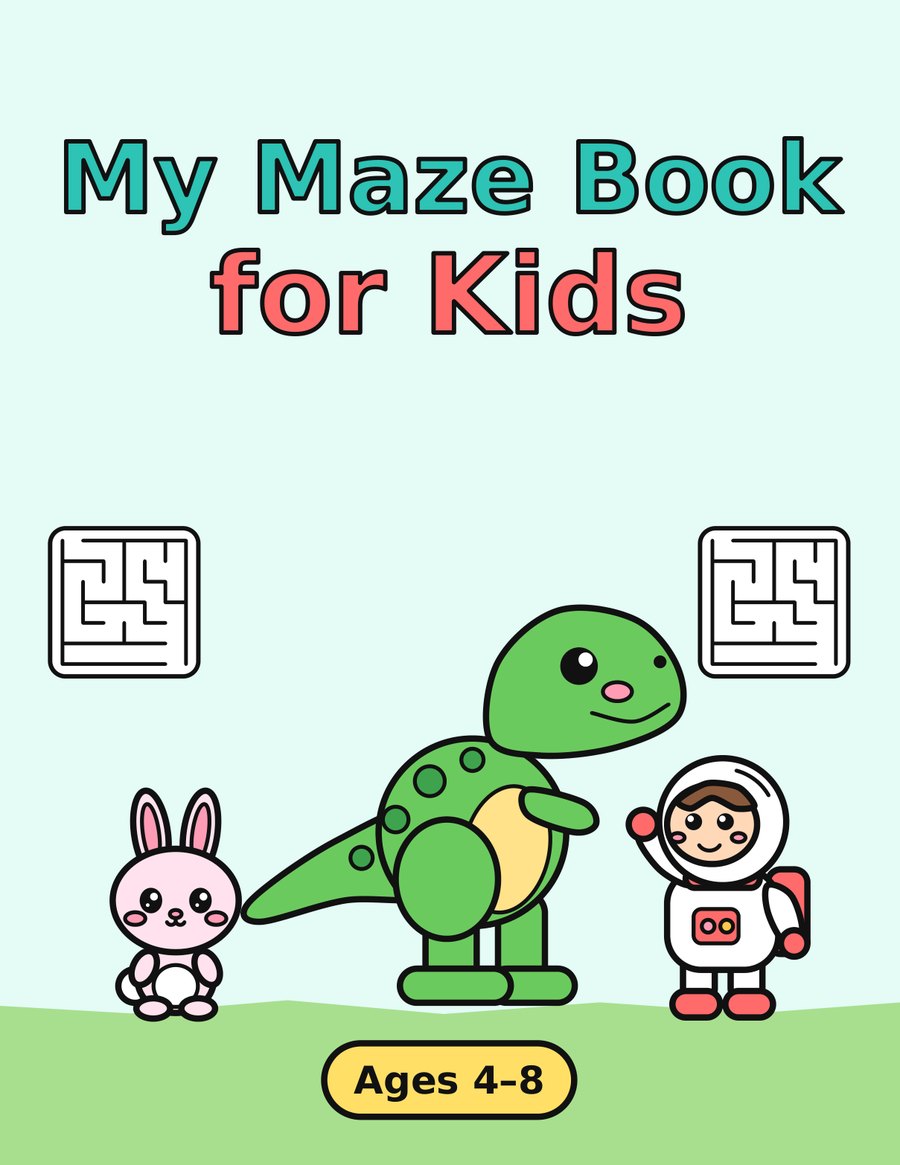
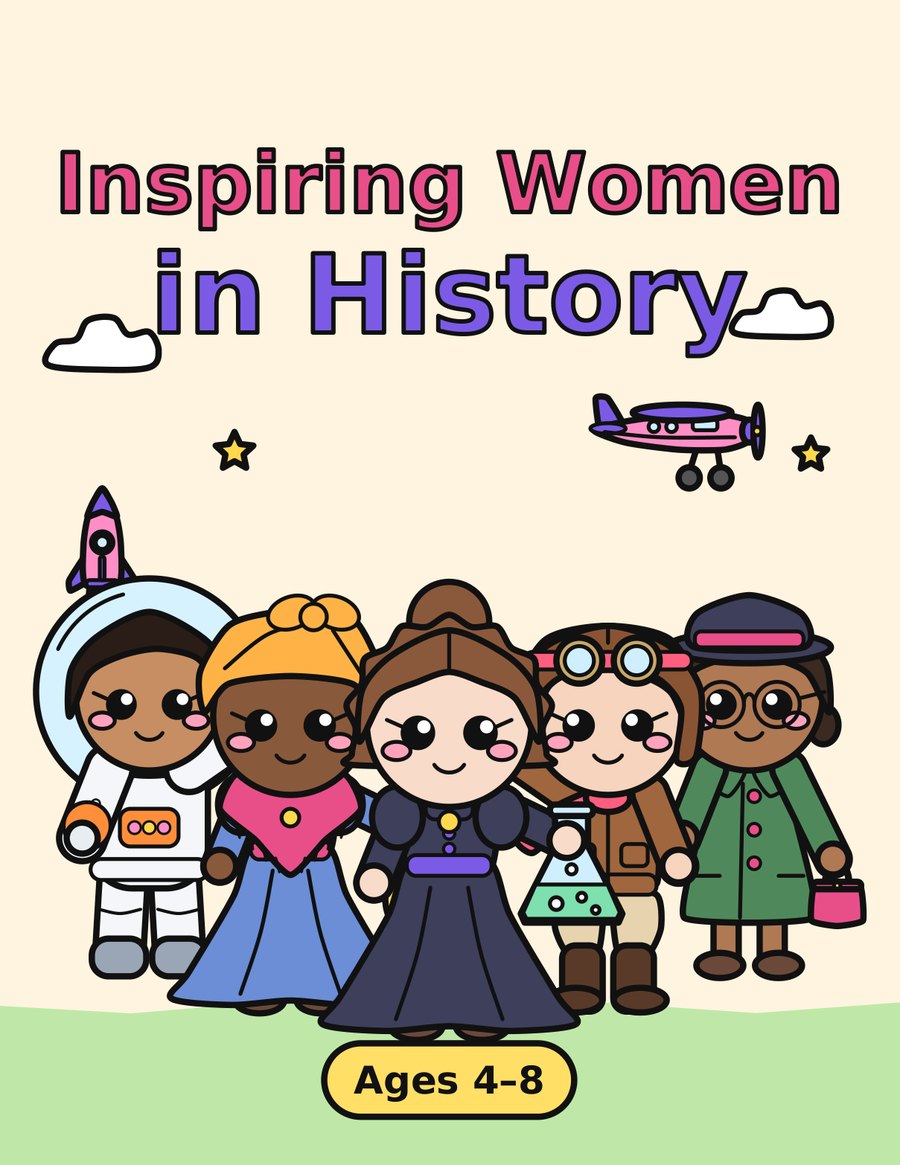
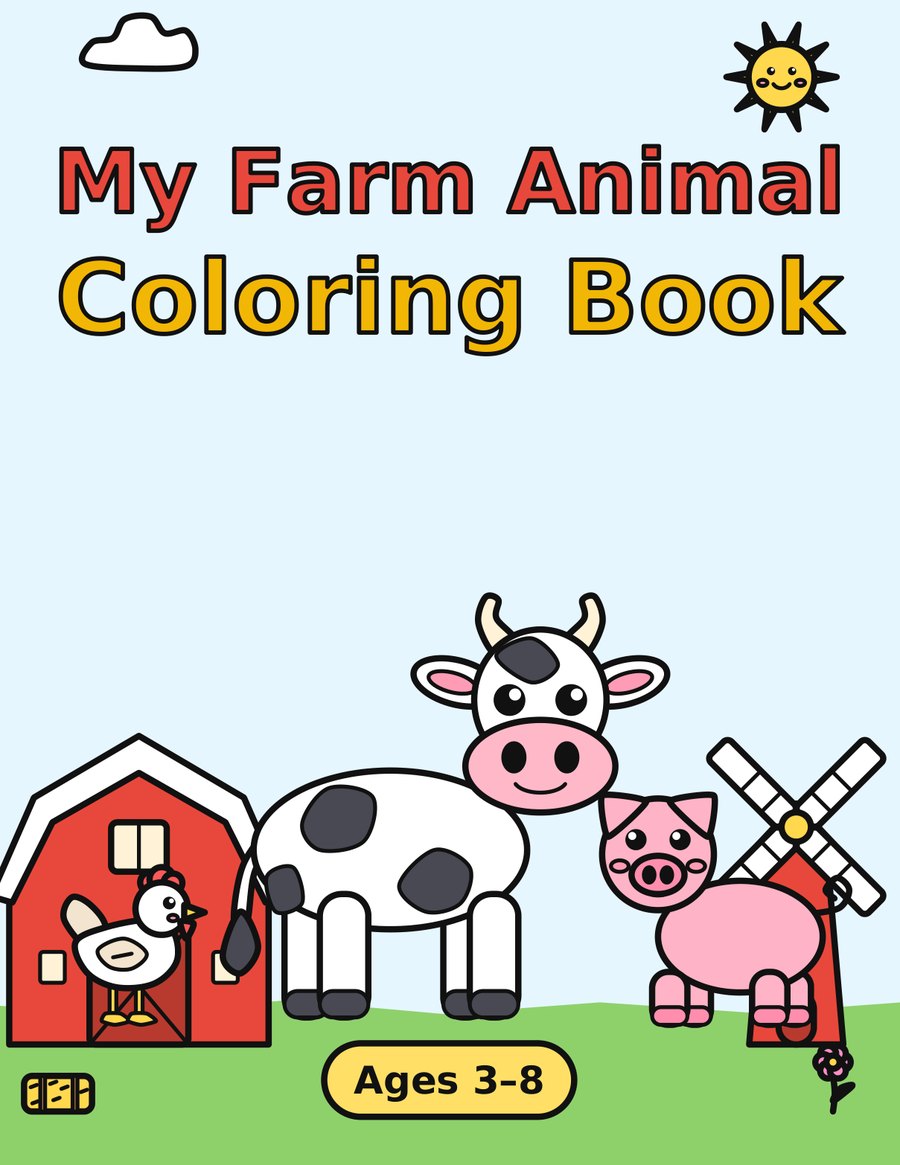
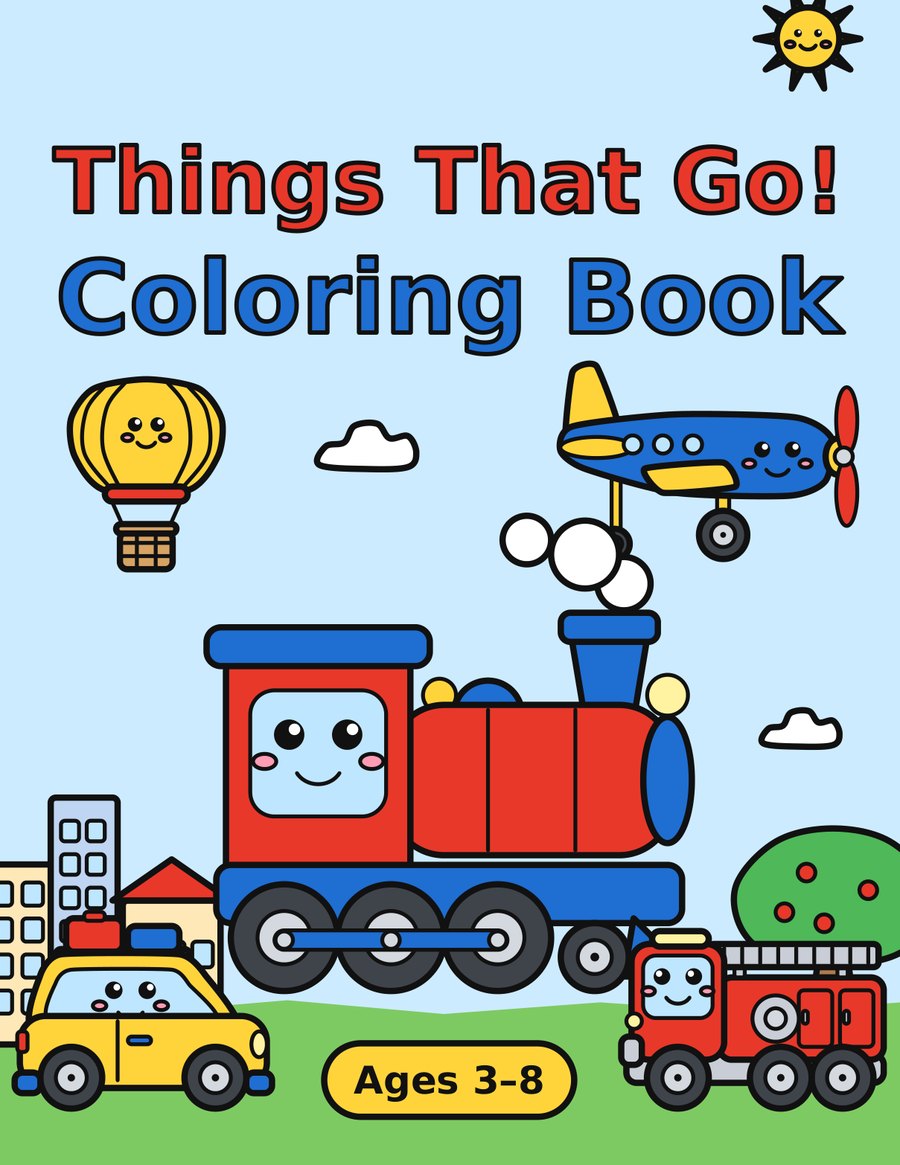
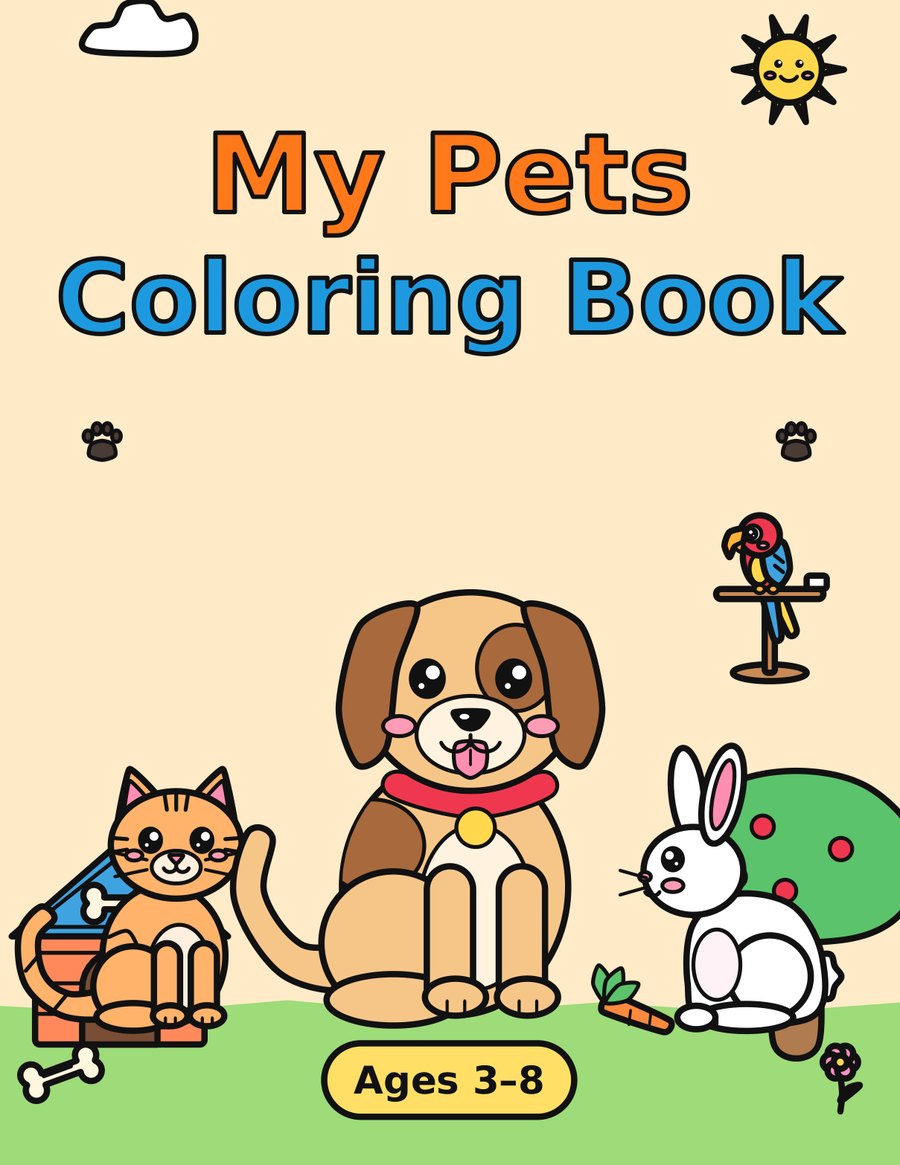
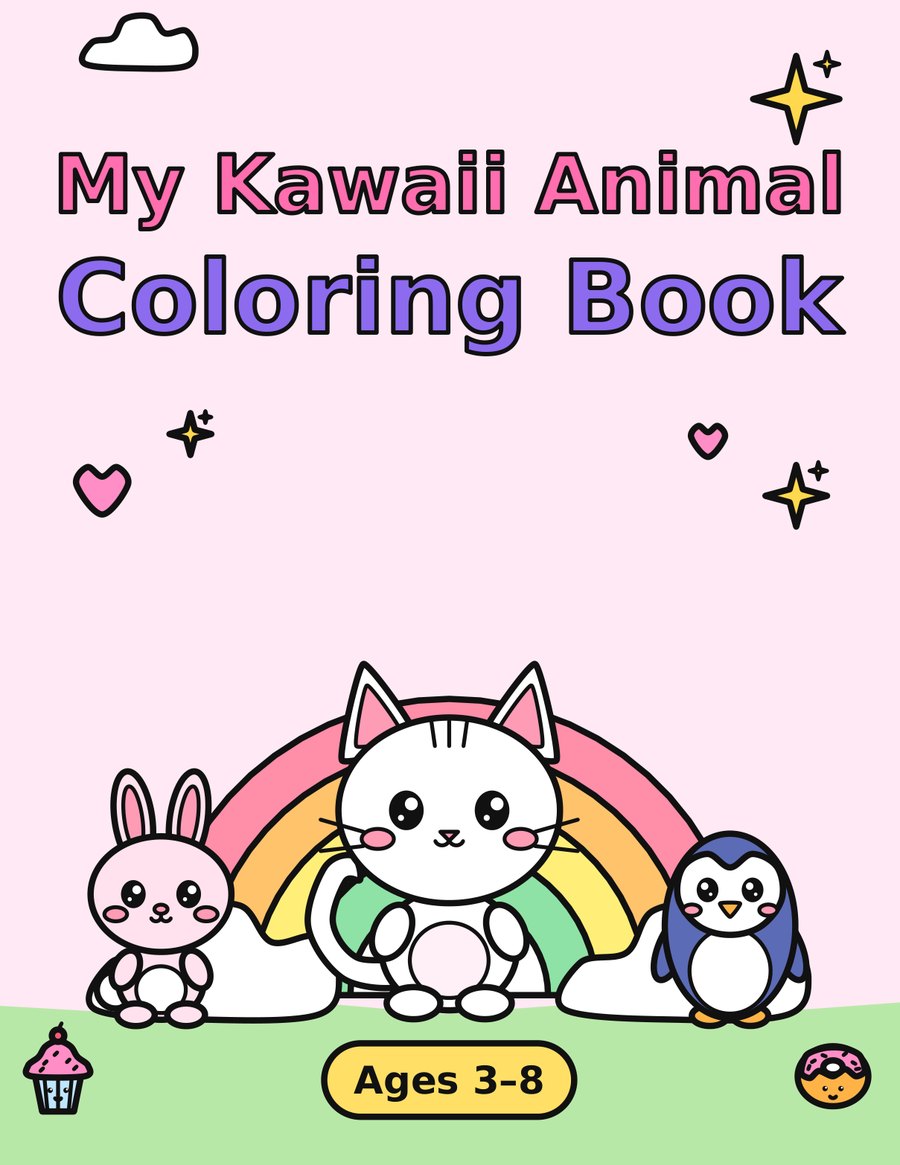
Our kids' books are designed for ages 3 to 8 with big, bold outlines and single-sided pages, and each has 100 pages; most theme books also include counting and ABC pages. Each is available as an instant PDF download in US Letter and A4 for $5.99, which you can print as often as you like for your family. If you prefer a real book, they also come as a printed paperback ($17.99), hardcover ($32.99) or coil-bound edition ($24.99) shipped in the US. The coil-bound version lies flat, which many small children find easier.
Not sure yet? Our free sampler has 10 pages you can print today to see whether the style suits your child.
Frequently asked questions
- Can a 3-year-old use a coloring book?
- Yes. Most 3-year-olds enjoy coloring when the pictures are large with thick outlines. Expect scribbles that go outside the lines, which is completely normal at this age.
- What is the difference between a toddler coloring book and a regular kids' coloring book?
- Toddler and preschool coloring books use thicker lines, bigger shapes and less detail. Books for older kids have smaller areas to color, busier scenes and often activities like mazes or color-by-number.
- Are single-sided coloring pages better for young kids?
- They are very handy. Markers and heavy crayon will not show through onto another picture, and you can cut out a finished page to hang on the fridge without losing the drawing on the back.
- Should I buy a printed coloring book or a printable PDF?
- A printed book is easy to hand over and works well as a gift or for travel. A printable PDF lets you reprint favorite pages as often as you like for your family, which suits young children who color the same picture again and again.
More guides
Was this guide helpful?