Hanukkah and Kwanzaa Activities for Kids (Home and Class)
By Eric S Jaffe · Updated November 15, 2026 · 7 min read
Simple Hanukkah activities for kids include coloring menorahs and dreidels, playing the dreidel game, and making paper candles for each of the eight nights. Simple Kwanzaa activities include coloring a kinara, learning one of the seven principles each day, and making a paper mkeka (woven mat). In 2026, Hanukkah begins at sundown on Friday, December 4 and ends at nightfall on Saturday, December 12, and Kwanzaa runs from December 26 to January 1.
When are Hanukkah and Kwanzaa in 2026?
Hanukkah follows the Hebrew calendar, so its dates change each year. In 2026, the first candle is lit at sundown on Friday, December 4, and the holiday ends at nightfall on Saturday, December 12, after eight nights.
Kwanzaa has the same dates every year: December 26 to January 1. Each of its seven days focuses on one of seven principles.
What is Hanukkah? A simple explanation for kids
Hanukkah is a Jewish holiday, sometimes called the Festival of Lights. It remembers a time long ago when the Jewish people rededicated their Temple in Jerusalem. The story says there was only enough oil to keep the Temple lamp burning for one day, but it lasted for eight days.
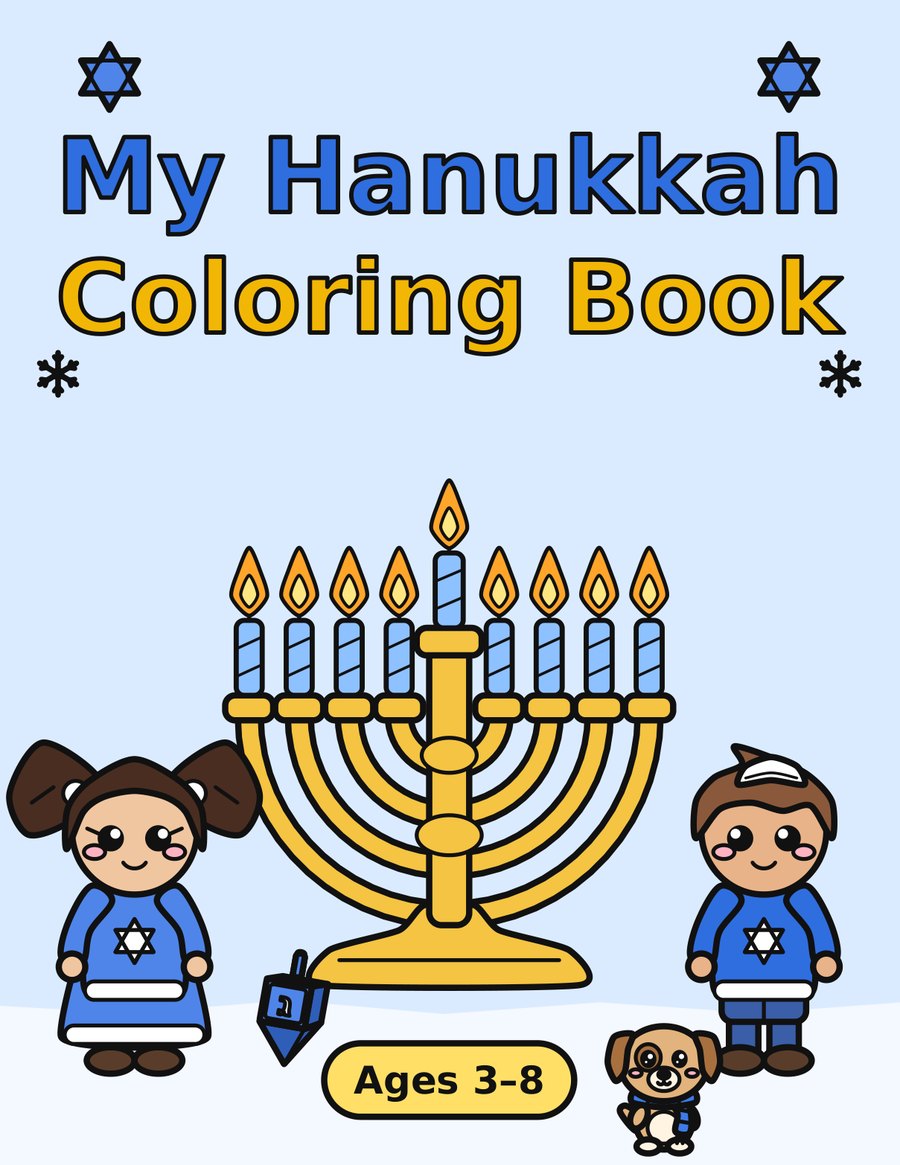
To remember this, families light a menorah, also called a hanukkiah, which holds nine candles: one for each of the eight nights plus a helper candle called the shamash, which is used to light the others. One more candle is lit each night. Many families also eat foods fried in oil, such as latkes (potato pancakes) and sufganiyot (jelly doughnuts), play the dreidel game, and give chocolate coins called gelt.
What are easy Hanukkah activities for kids?
These ideas work for families who celebrate and for classrooms learning about the holiday:
- Paper menorah: glue eight paper candles plus a taller shamash onto a paper menorah, and add a paper flame each night
- Dreidel game: spin a dreidel and follow the four Hebrew letters (nun, gimel, hei and shin) to win or share a pile of pennies, raisins or gelt
- Coloring pages: color menorahs, dreidels, latkes and gelt, and count the candles together
- Blue and white art: decorate a paper Star of David or snowflake-style cutouts in blue and white
- Latke helpers: older children can help wash potatoes or measure ingredients while an adult handles the hot oil
- Counting the nights: make a simple chart with eight boxes and color one in each night
What is Kwanzaa? A simple explanation for kids
Kwanzaa is a celebration of African American and Pan-African family, community and culture. It was created in 1966 by Dr. Maulana Karenga and is a cultural holiday, so people of different faiths celebrate it, often alongside other holidays.
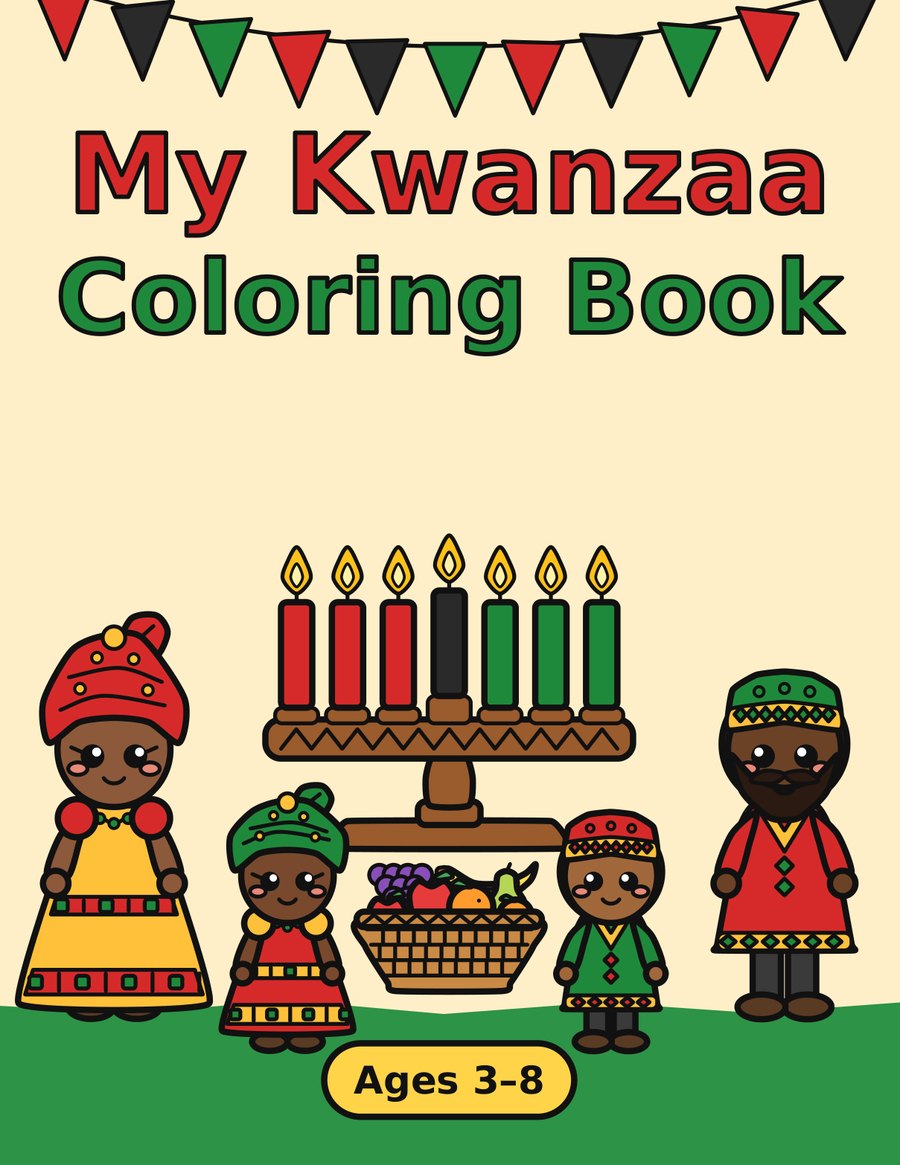
Each night, families light one candle in a candleholder called the kinara. It holds seven candles: three red, three green and one black candle in the middle. Each candle stands for one of the seven principles, called the Nguzo Saba. Near the end, on December 31, many families gather for a feast called the Karamu.
- Umoja (Unity): staying together as a family and community
- Kujichagulia (Self-Determination): deciding and speaking for ourselves
- Ujima (Collective Work and Responsibility): working together and helping each other
- Ujamaa (Cooperative Economics): building and supporting businesses together
- Nia (Purpose): working toward goals that help our community
- Kuumba (Creativity): making our community more beautiful
- Imani (Faith): believing in our people, our families and ourselves
What are easy Kwanzaa activities for kids?
Many Kwanzaa activities connect naturally to the seven principles, which makes them a good fit for both home and school:
- Paper kinara: color or cut out three red, three green and one black candle and add a paper flame each day
- Paper mkeka: weave strips of red, black and green paper into a simple mat
- Principle of the day: talk about one principle each day and do something that matches, such as a cleanup together for Ujima
- Handmade gifts: Kwanzaa gifts, called zawadi, are often handmade or educational, so children can draw a picture or make a card
- Kuumba art: create a colorful drawing or collage to celebrate creativity
- Coloring pages: color the kinara, the seven candles and pages for each principle
How can teachers include Hanukkah and Kwanzaa respectfully in class?
Teach both holidays as real traditions that real families celebrate, using simple and accurate language. Invite families who celebrate to share a tradition if they would like to, but never put a child on the spot to explain their holiday.
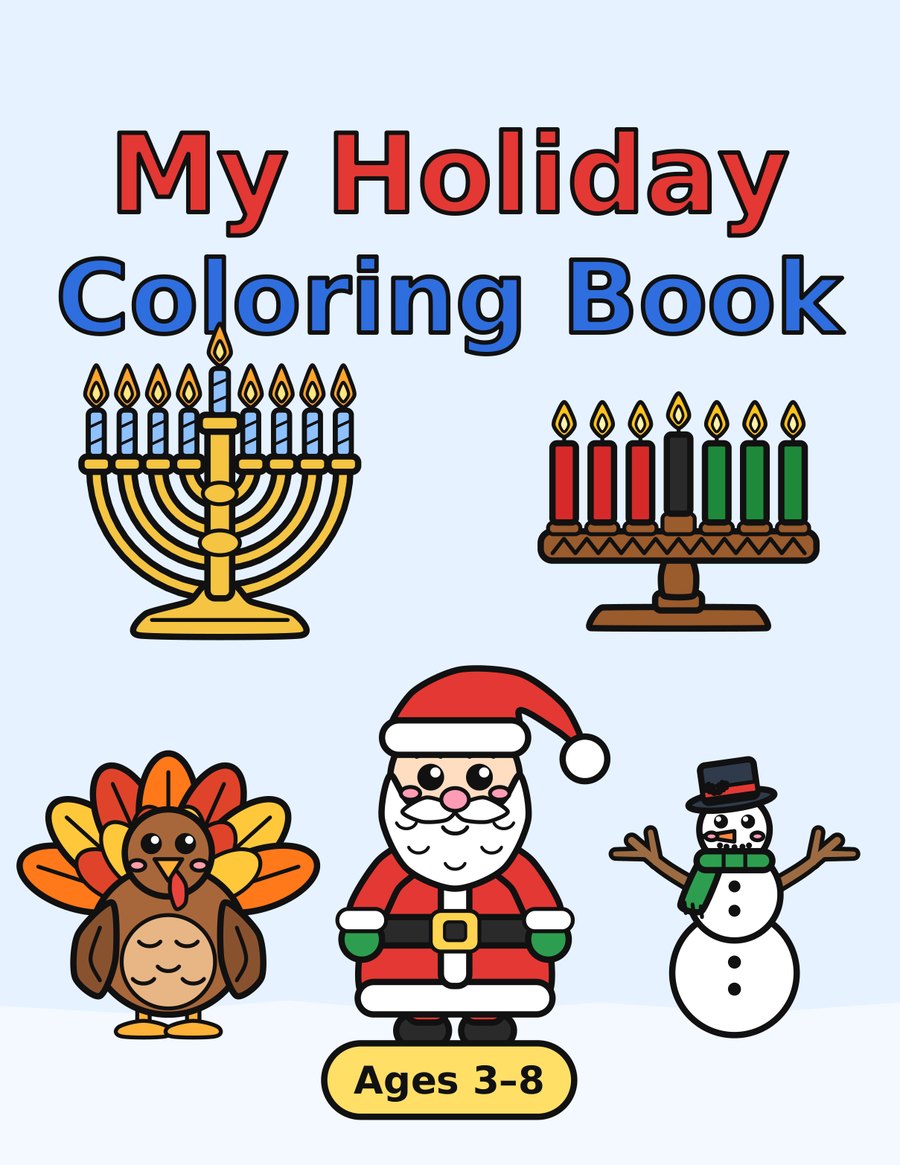
Keep activities focused on the meaning and customs of each holiday, such as lights, family, community and giving, rather than turning them into a version of another holiday. A mixed holiday coloring book can help when you want pages for several celebrations in one set.
- Use the correct names for objects, like menorah, dreidel, kinara and mkeka
- Check that crafts and foods respect any allergies or dietary needs in your class
- Avoid real flames in the classroom; paper or battery candles work well
- Offer coloring as a calm, low-pressure way to explore new traditions
Frequently asked questions
- When does Hanukkah start in 2026?
- Hanukkah 2026 begins at sundown on Friday, December 4, and ends at nightfall on Saturday, December 12. It lasts eight nights.
- What are the seven principles of Kwanzaa?
- The seven principles, called the Nguzo Saba, are Umoja (Unity), Kujichagulia (Self-Determination), Ujima (Collective Work and Responsibility), Ujamaa (Cooperative Economics), Nia (Purpose), Kuumba (Creativity) and Imani (Faith). One principle is the focus of each day from December 26 to January 1.
- Is Kwanzaa a religious holiday?
- No. Kwanzaa is a cultural holiday celebrating African American and Pan-African heritage, family and community. People of many faiths celebrate it.
- How many candles are on a menorah and a kinara?
- A Hanukkah menorah holds nine candles: eight for the nights plus the shamash, the helper candle. A Kwanzaa kinara holds seven candles: three red, three green and one black.
More guides
Was this guide helpful?